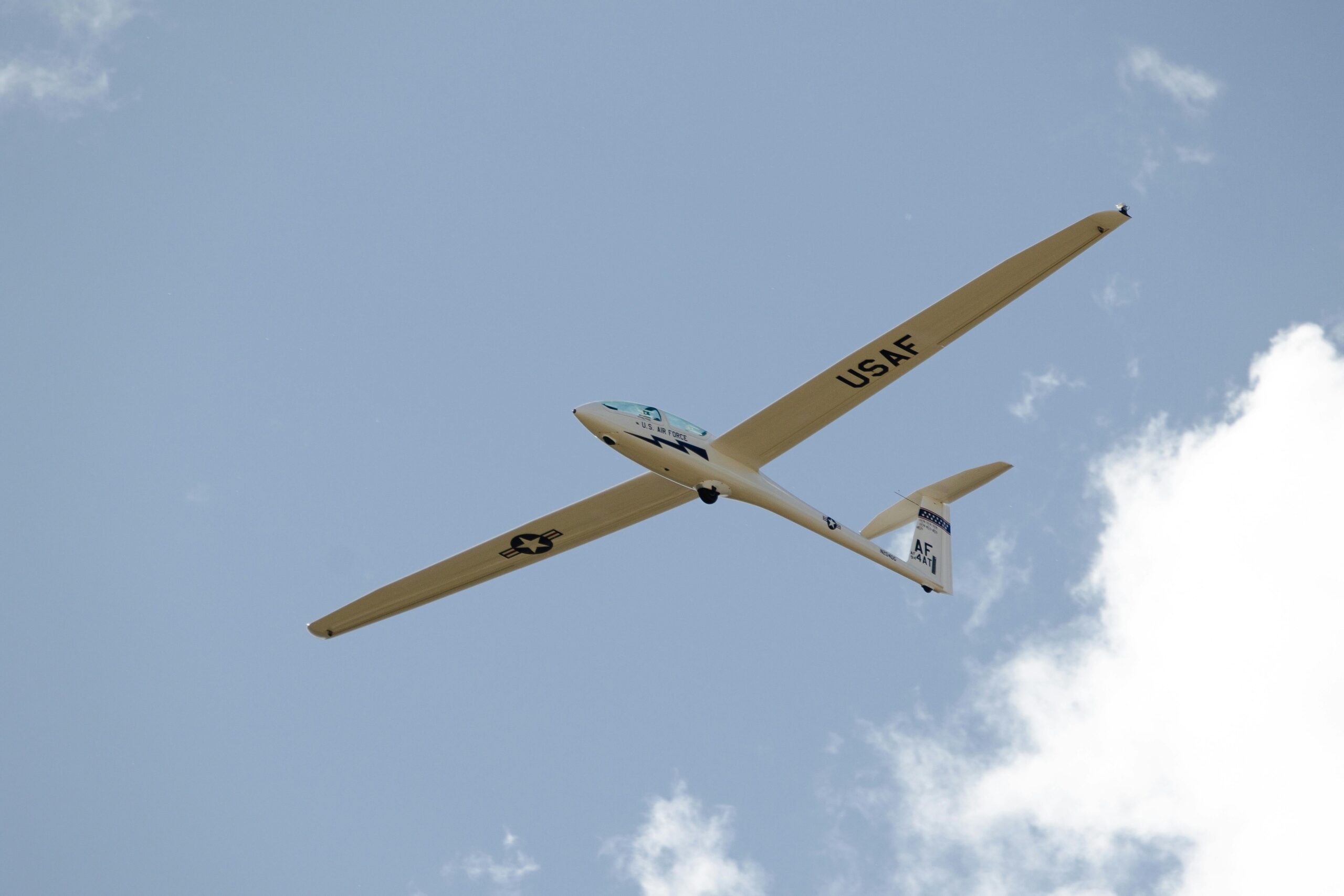
An RC glider is a radio-controlled aircraft designed to fly efficiently with little or no engine power. Instead of relying on constant thrust, RC gliders use aerodynamics, air currents, and pilot skill to stay aloft for long periods of time.
How RC Gliders Fly Without Power
RC gliders stay airborne by converting altitude into forward motion and by using natural sources of lift such as thermals and slope lift. Even electric gliders only use motors briefly to gain altitude before shutting them off and gliding silently.
Types of RC Gliders:
Pure (Unpowered) Gliders
- No motor at all
- Launched by hand, winch, or bungee
- Very quiet and efficient
- Best for experienced pilots
Electric Gliders (Most Popular)
- Small motor used for climbing
- Motor shuts off during glide
- Best choice for beginners
Slope Soarers
- Designed to fly in wind against slopes
- No motor required
- Excellent for windy conditions
Are RC Gliders Good for Beginners?
Yes — electric RC gliders are one of the best beginner aircraft because they:
- Fly slower and more predictably
- Give you more time to react
- Recover easily from mistakes
- Teach fundamentals of flight
Many pilots find gliders easier to learn than powered planes.
What You Need to Get Started
At minimum:
- RC glider (RTF or PNP)
- Transmitter (radio controller)
- Battery + charger
- Open flying area
👉 We cover exact recommendations in our beginner buying guides.
Why People Love RC Gliding
- Longer flight times
- Peaceful flying experience
- Skill-based flying
- Lower ongoing costs
RC gliding rewards patience and precision rather than raw power.
What’s Next?
➡️ Read next: Best RC Gliders for Beginners