
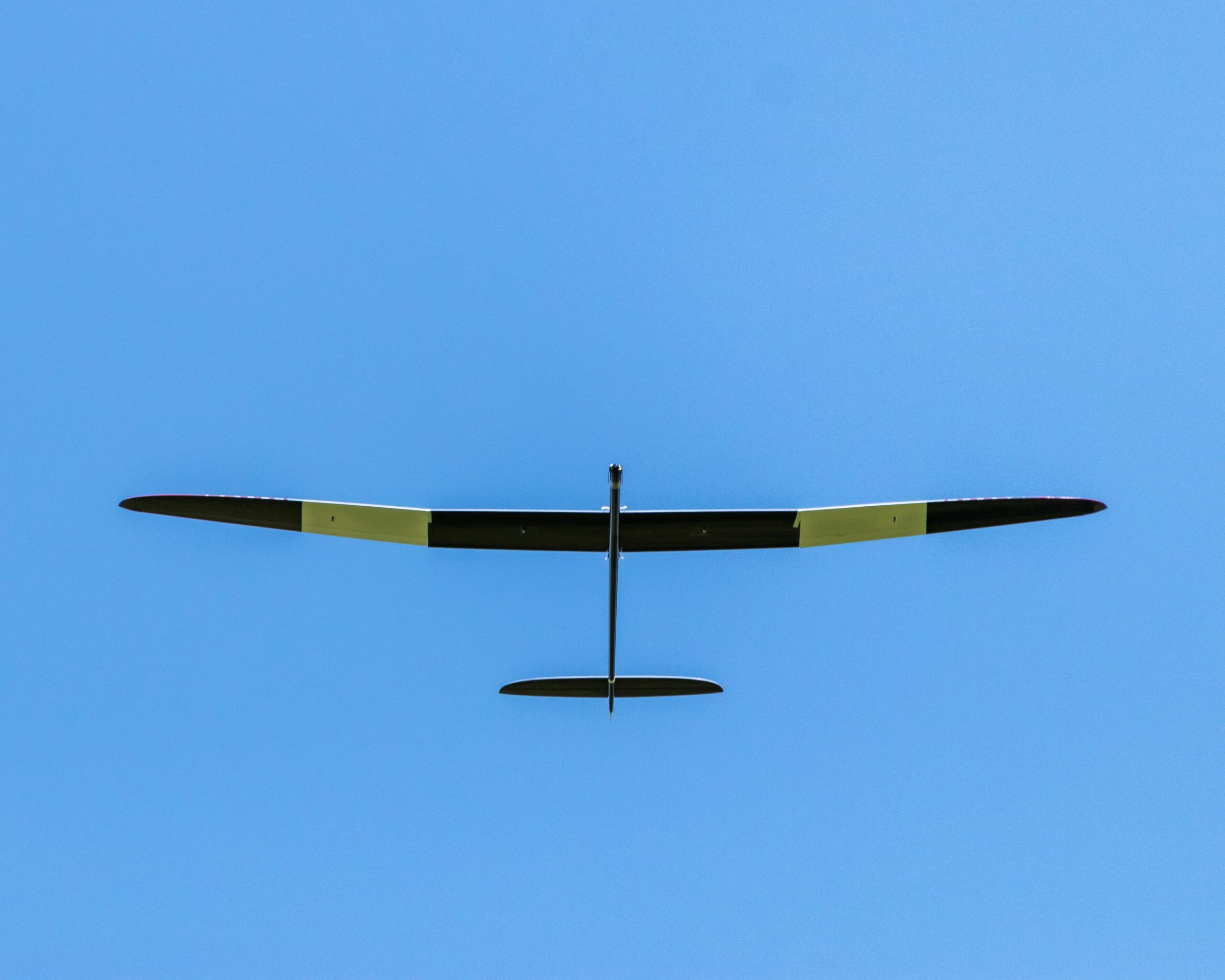
Thermal flying is what turns RC gliding from short flights into long, rewarding ones. A thermal is a rising column of warm air, and learning to find and use them is a skill every glider pilot can develop.
You don’t need expensive equipment or years of experience — just patience and awareness.
What Is a Thermal?
A thermal is a pocket of warm air rising from the ground due to uneven heating.
Common thermal sources:
- Sunlit pavement
- Plowed fields
- Dry grass
- Hillsides
Signs of a Thermal
- Glider suddenly climbs without added power
- One wing lifts gently
- Birds circling nearby
👉 If the glider feels “alive,” you may be in lift.
How to Find a Thermal
- Use the motor to bring the glider to a decent altitude
- Cut the motor and begin flying back and forth across the designated flying area or where the glider is still safely within view
- The glider will dip on its own in some places and in others it will lift up and gain altitude
- Once an area of lift is identified, circle back and attempt to enter the thermal
How to Enter a Thermal
- Turn gently toward the lifting wing
- Reduce control input
- Maintain smooth, constant bank
Avoid aggressive turns — thermals are fragile.
Beginner Thermal Technique
- Cut throttle
- Fly slow and smooth
- Circle gently
- Adjust bank angle slightly
- Use mostly rudder in order to keep wings fairly level
👉 Small adjustments = better results.
Common Beginner Thermal Mistakes
❌ Chasing lift aggressively
❌ Flying too fast
❌ Over-controlling
👉 Let the air do the work.
When Thermals Are Best
- Late morning to mid-afternoon
- Light wind
- Clear or partly cloudy skies
Final Thoughts
Thermal flying rewards patience. Focus on smooth control, gentle turns, and awareness — and you’ll soon enjoy longer flights than you ever thought possible.