Choosing the right RC transmitter is one of the most important decisions a beginner RC glider pilot can make. While many beginner gliders are available in ready-to-fly (RTF) packages, using a quality transmitter early on can reduce frustration, improve control, and save money as your skills grow.
In this guide, we’ll explain how RC transmitters work, how many channels beginners actually need, and highlight the best beginner RC transmitters for glider pilots—without unnecessary jargon or advanced features you won’t use yet.
What Is an RC Transmitter?
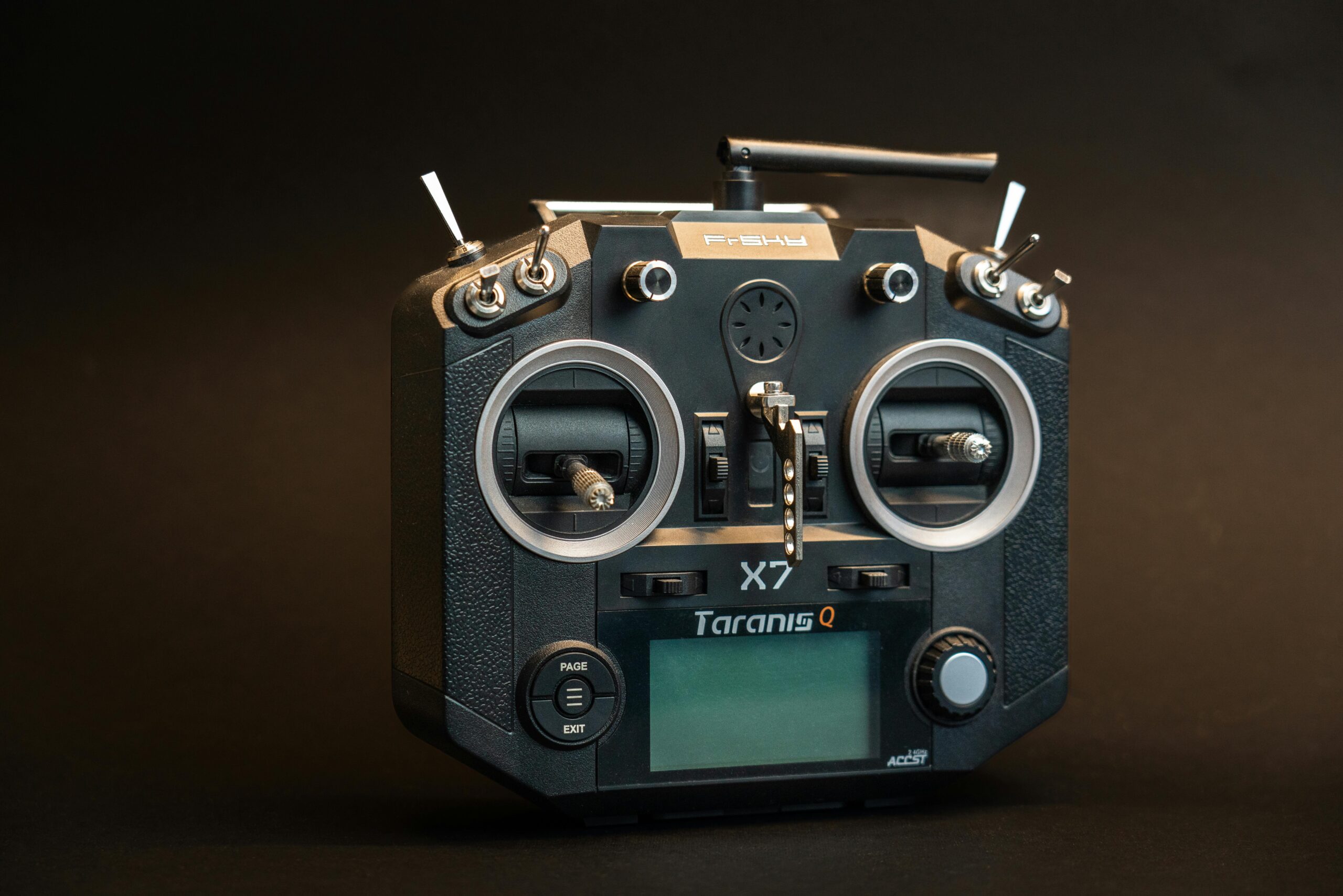
An RC transmitter (often called a radio) is the handheld controller you use to send commands to your aircraft. Those commands are received by a receiver installed in the glider, which then moves the control surfaces and motor accordingly.
Each function you control—such as throttle, elevator, rudder, or ailerons—uses a channel. Understanding channels is key to choosing the right transmitter.
🔗 New to RC terminology? See our full RC Glider Basics for Beginners guide.
How Many Channels Does a Beginner RC Glider Need?
Most beginner gliders fall into one of these categories:
- 2 Channels – Rudder and elevator (very basic trainers)
- 3 Channels – Throttle, rudder, elevator
- 4 Channels – Throttle, elevator, rudder, ailerons (recommended minimum)
- 5–6 Channels – Adds flaps, spoilers, or flight modes
Beginner Recommendation
A 4–6 channel transmitter is ideal. It gives you enough control to learn proper flight techniques while leaving room to grow into more advanced gliders later.
Key Transmitter Features Beginners Should Look For
When choosing a transmitter, beginners should prioritize usability and long-term flexibility over advanced programming.
Important features include:
- Model memory (store multiple aircraft)
- Reliable binding process
- Comfortable gimbals (sticks)
- Easily available receivers
- Clear menu system
- Strong community support
Avoid paying extra for advanced telemetry or complex glider mixing until you actually need it.
Best RC Transmitters for Beginners
Best Budget Beginner Transmitter
FlySky FS-i6X
The FlySky FS-i6X is one of the most popular entry-level transmitters for beginners, and for good reason. It offers excellent value while remaining simple enough for first-time pilots.
Why it’s great for beginners:
- 6 channels (expandable via firmware)
- Simple menu navigation
- Affordable price
- Large user community
- Lightweight and comfortable
Best for:
Absolute beginners, budget-conscious pilots, and first-time non-RTF setups.
Things to keep in mind:
Receiver quality is good but not premium, and documentation is more basic than higher-end brands.
Best Overall Beginner → Intermediate Transmitter
Spektrum DX6e
The Spektrum DX6e is an excellent step up for beginners who want reliability and ease of use, especially if they plan to fly Bind-N-Fly (BNF) aircraft.
Why it stands out:
- 6 channels (perfect for gliders)
- Extremely user-friendly menus
- Excellent build quality
- Seamless compatibility with BNF aircraft
- Strong customer support
Best for:
Beginners flying E-flite or Horizon Hobby aircraft who want a smooth, frustration-free setup.
Things to keep in mind:
Receivers cost more than some competitors, and you’re locked into the Spektrum ecosystem.
Best Upgrade / Long-Term Transmitter
RadioMaster TX16S (4-in-1)
The RadioMaster TX16S is a powerful transmitter that many pilots upgrade to once they know they’re staying in the hobby.
Why it’s a great upgrade:
- 16 channels
- Supports multiple receiver protocols
- Massive model memory
- Advanced glider mixing support
- Excellent value for long-term pilots
Best for:
Pilots planning to fly multiple aircraft or progress into advanced soaring.
Things to keep in mind:
The menu system is more complex and may feel overwhelming as a first transmitter.
Common Beginner Transmitter Mistakes
- Buying too few channels
- Choosing obscure brands with limited receivers
- Overpaying for features you won’t use
- Ignoring receiver availability
- Skipping transmitter setup tutorials
Avoiding these mistakes early will save both money and frustration.
🔗 Related: Common Beginner RC Glider Mistakes
RTF vs Buying a Separate Transmitter
RTF (Ready-to-Fly):
- Easiest way to start
- Everything included
- Limited upgrade potential
Separate Transmitter:
- Better long-term value
- More flexibility
- Reusable across multiple aircraft
Recommendation
RTF is fine for your first glider, but buying a quality transmitter early makes upgrading much easier later.
Final Recommendation for Beginners
If you’re just starting out, choose a transmitter that:
- Has at least 4–6 channels
- Is easy to configure
- Has readily available receivers
- Can grow with your skills
You don’t need advanced features right away—focus on reliability, comfort, and simplicity.
🔗 Next Reads: